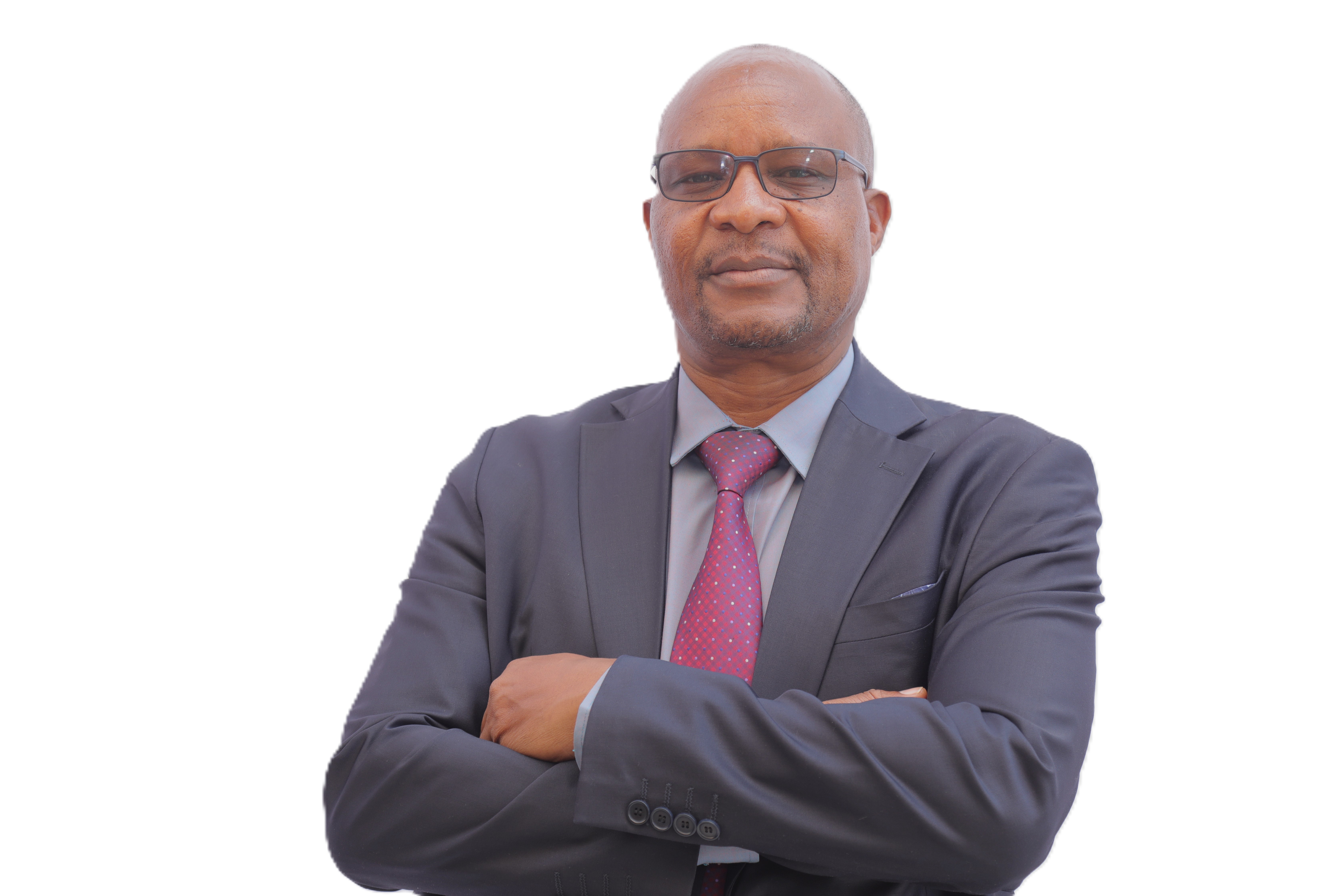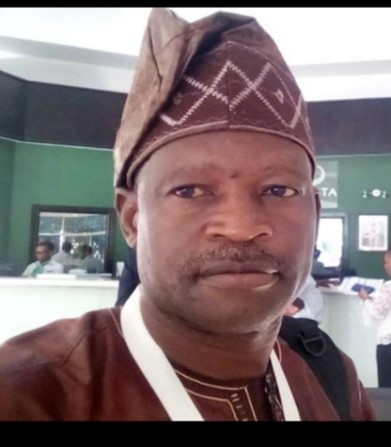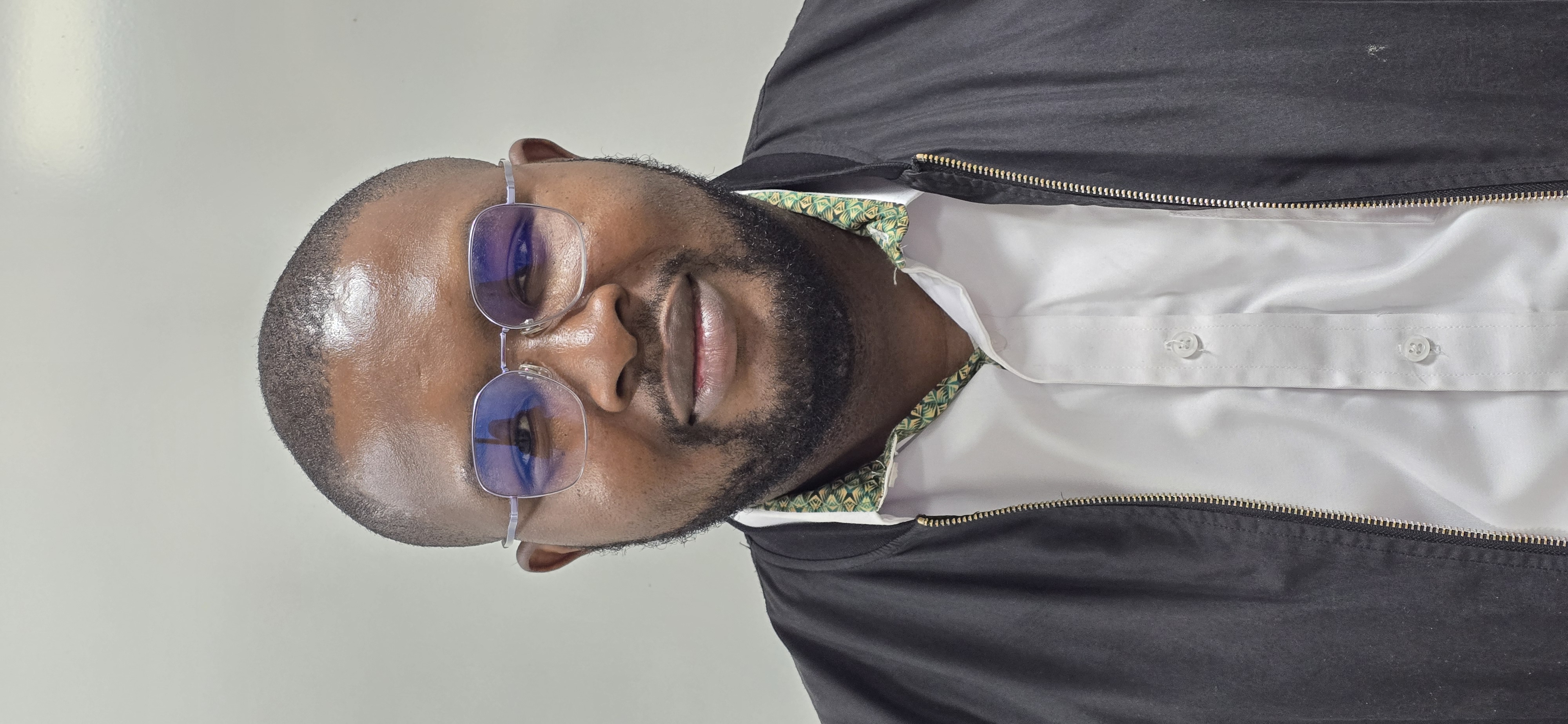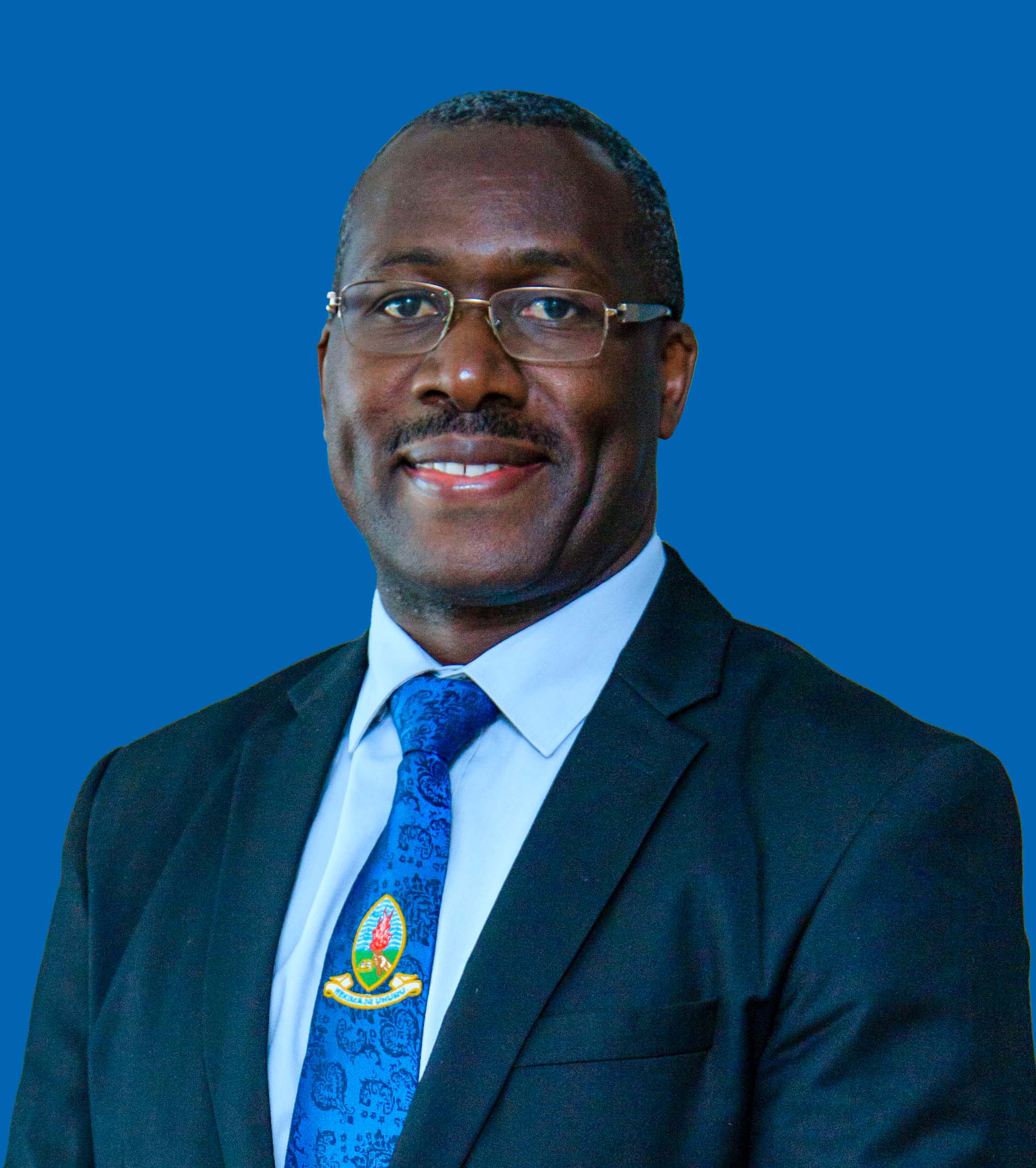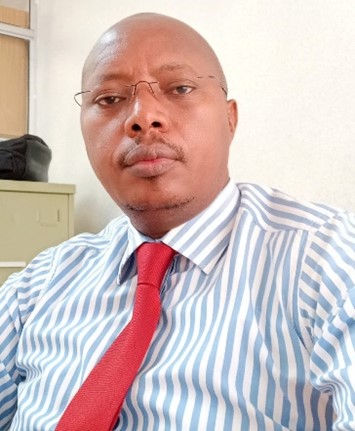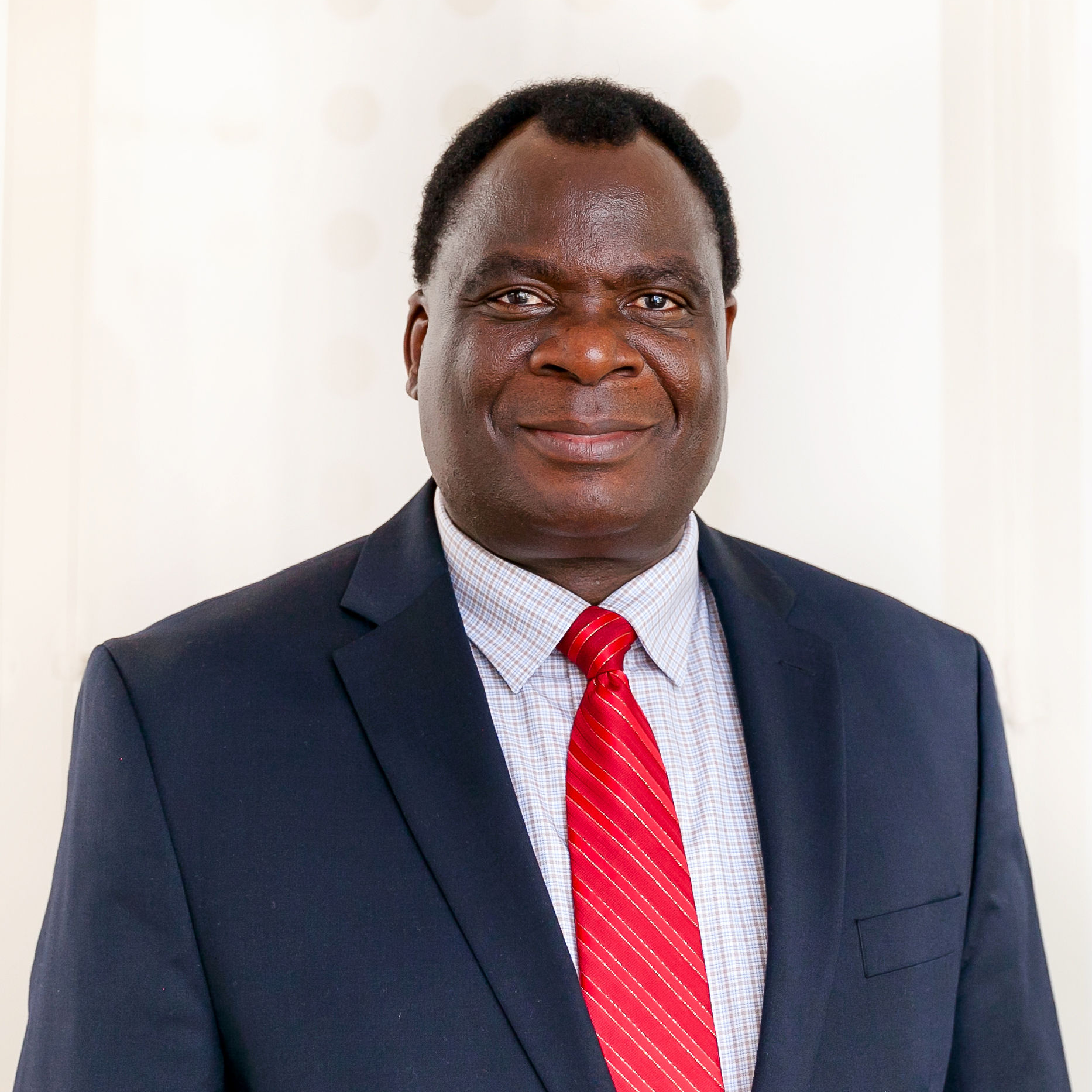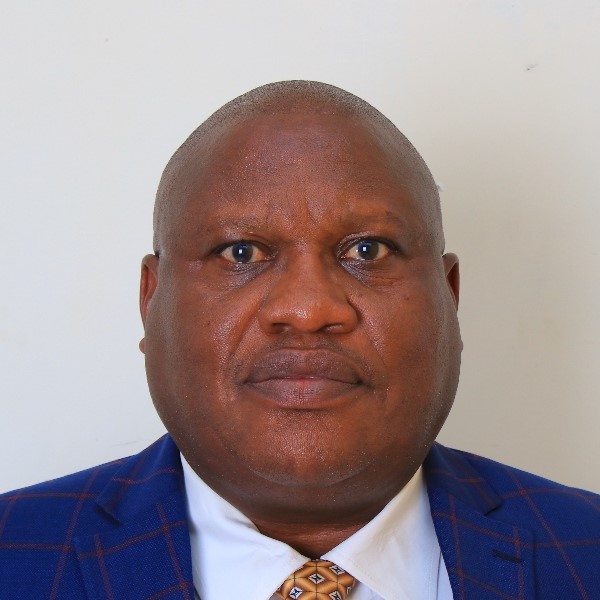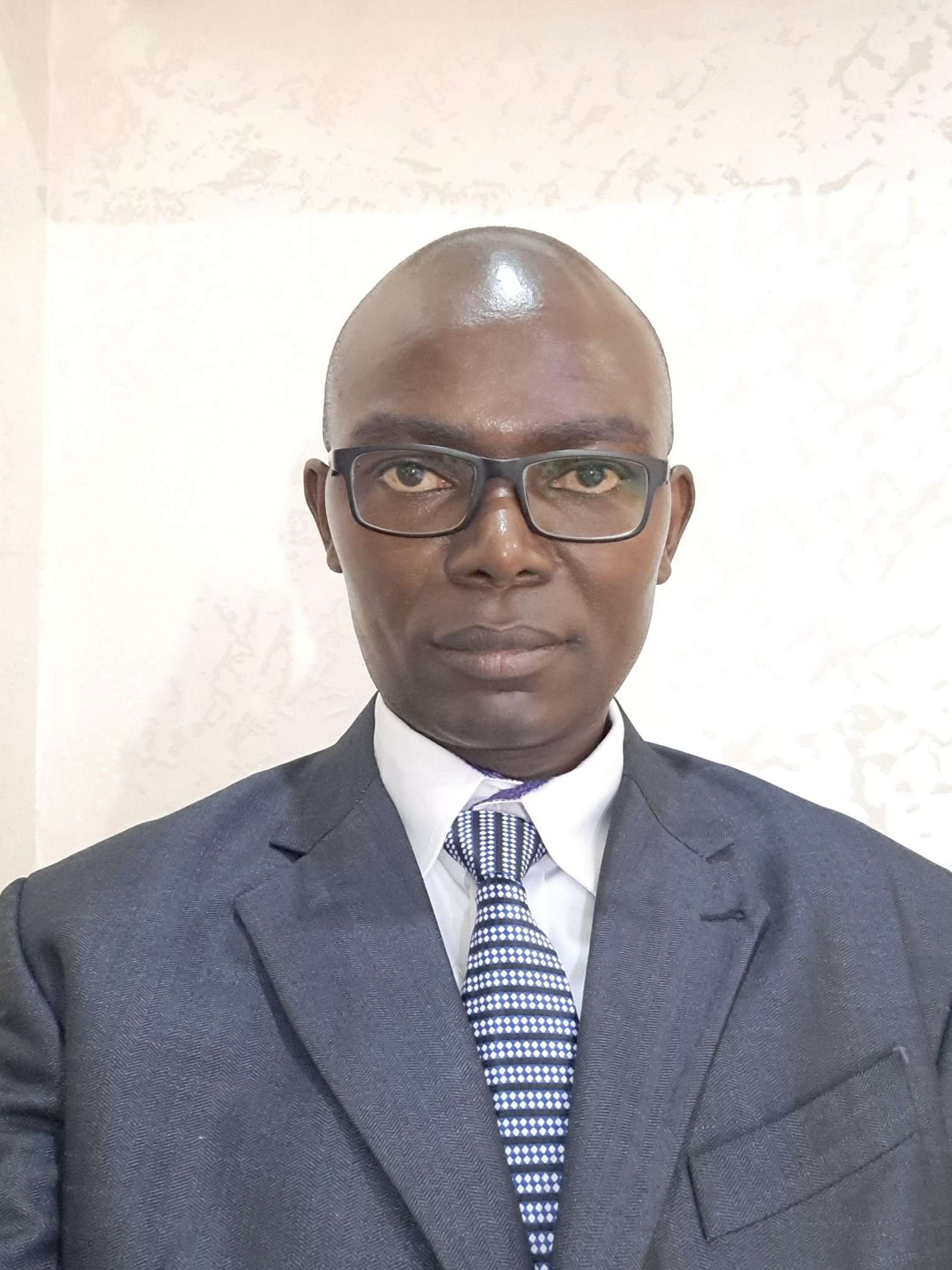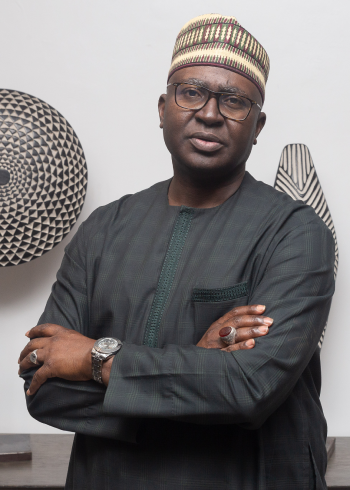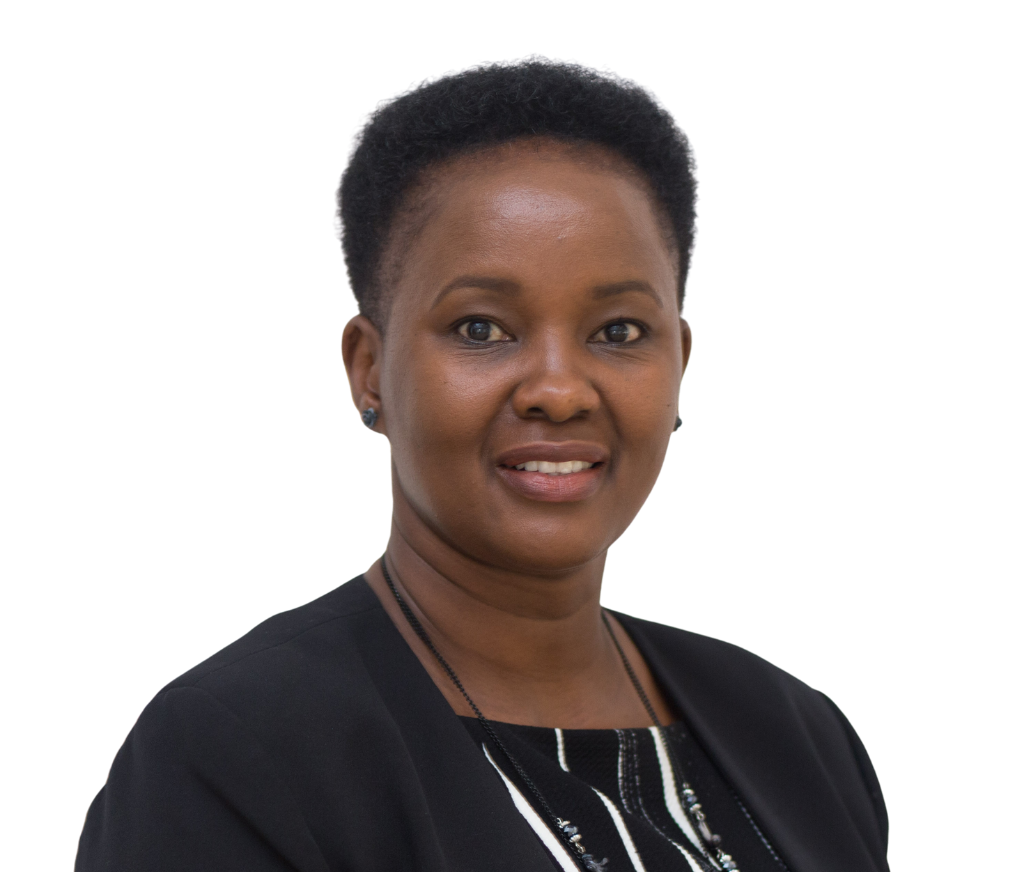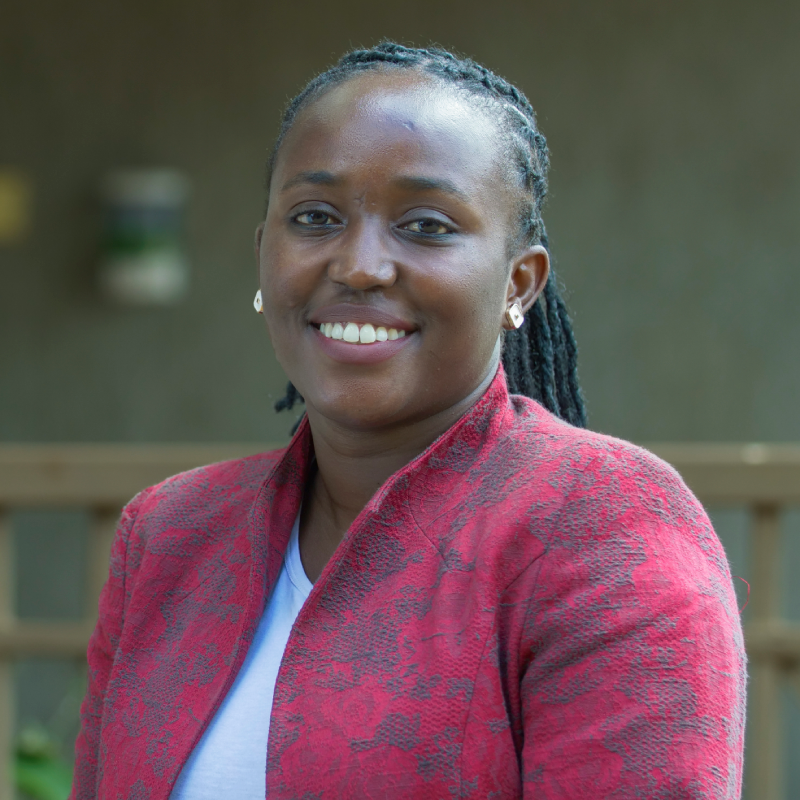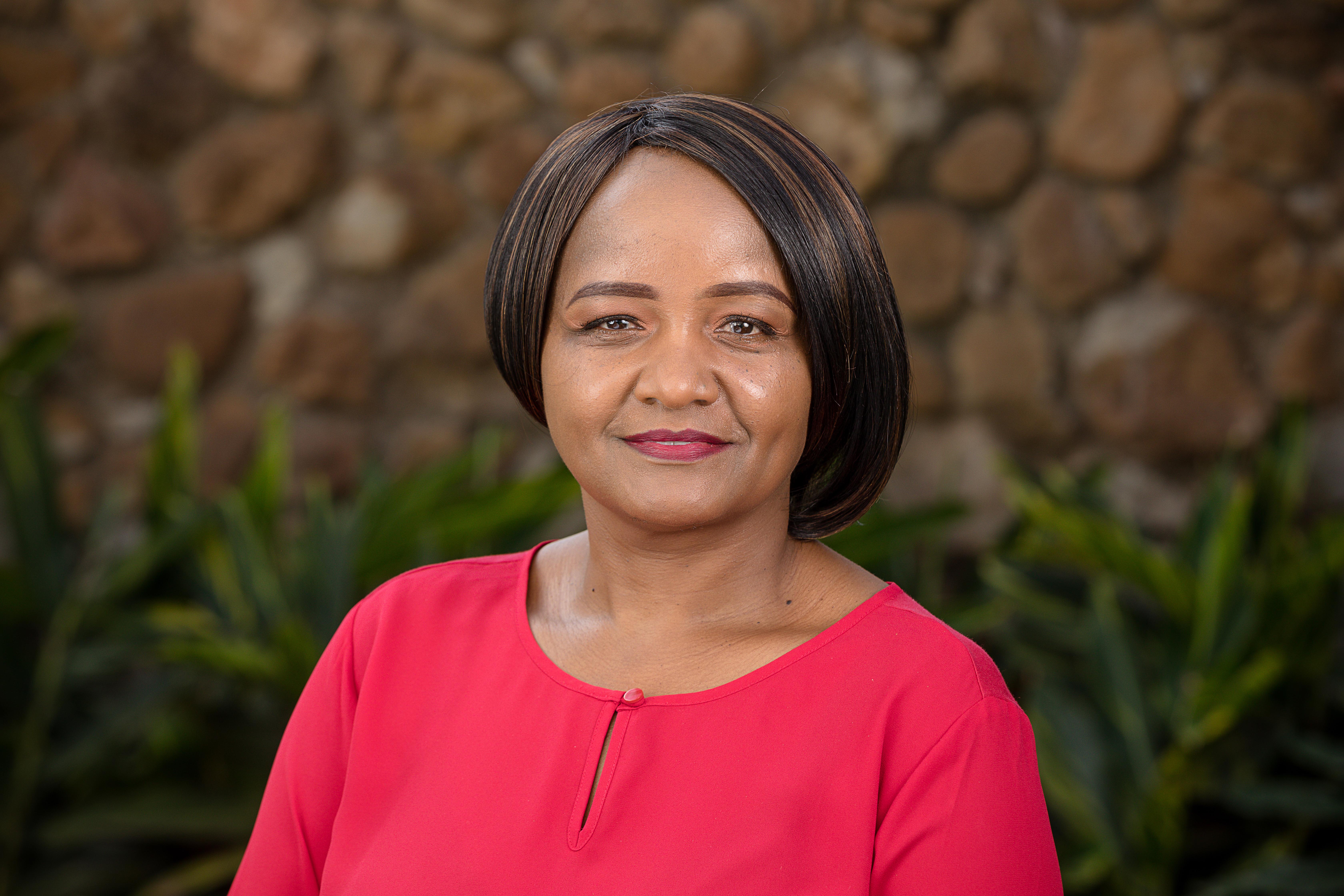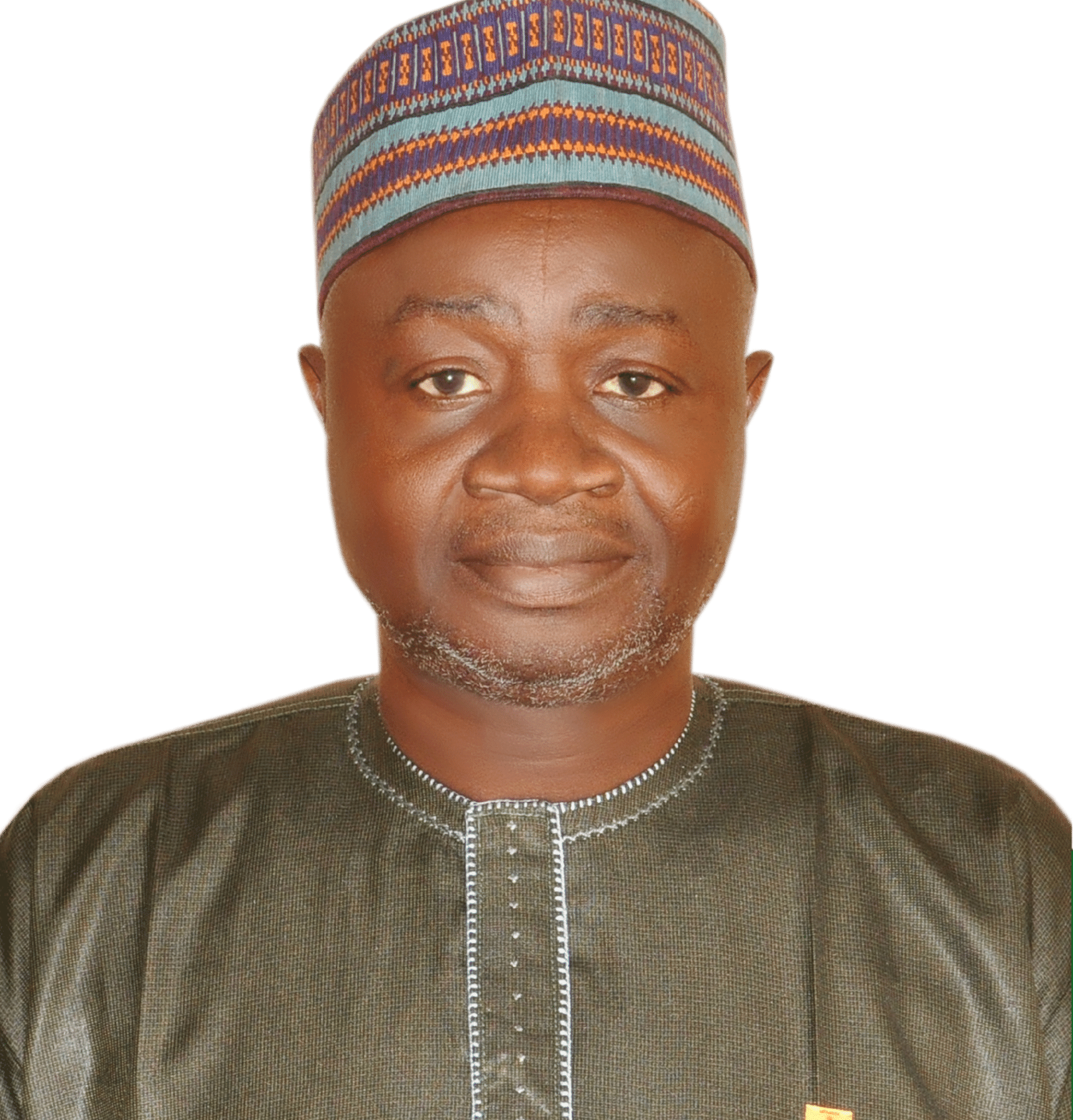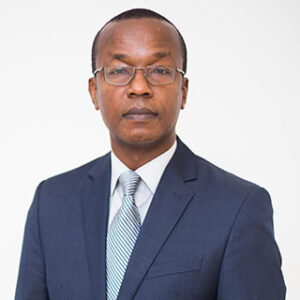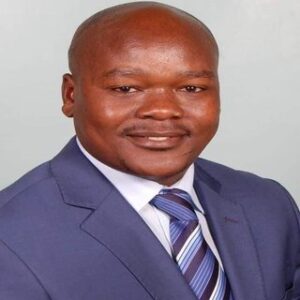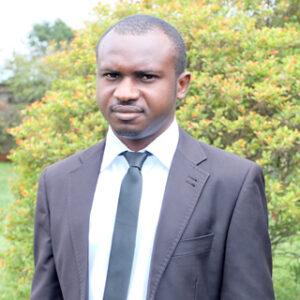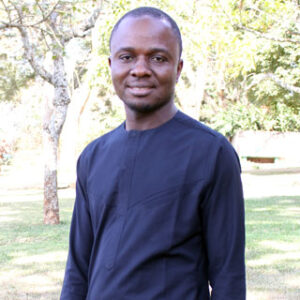
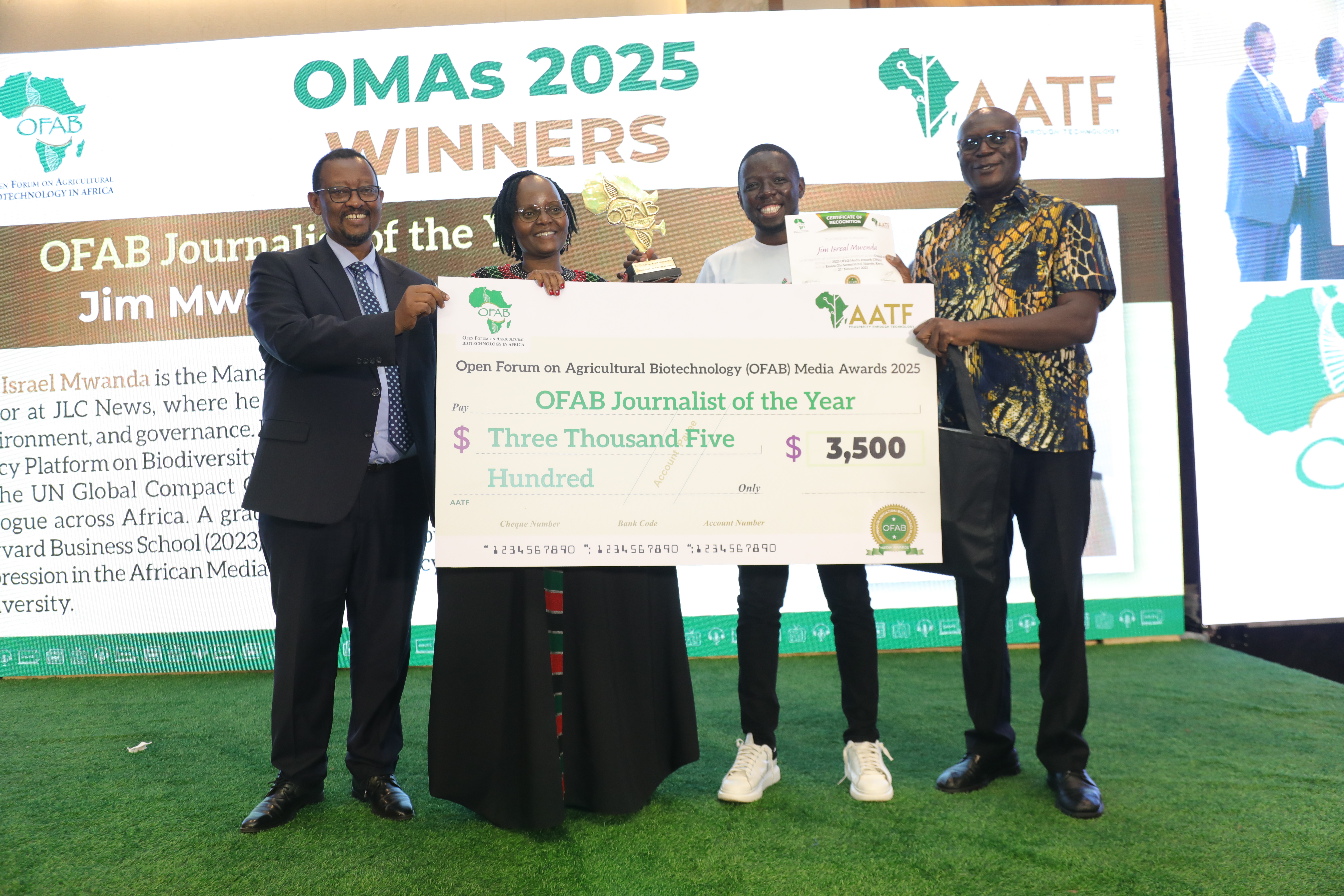
(Nairobi, Kenya- November 24, 2025) Kenyan digital journalist Jim Israel Mwanda has been named the 2025 OFAB Africa Journalist of the Year, securing the top honour at the Open Forum on Agricultural Biotechnology in Africa (OFAB) Media Awards ceremony held on 21 November in Nairobi, Kenya.
Initially launched in Kenya, the awards now cover 10 OFAB member countries. For the first time this year, the competition was opened to journalists across all African states, expanding opportunities for recognition in biotechnology reporting.
Mwanda a journalist and editor at JLC News, also won the Digital/Online Category, emerging top among finalists from 13 countries, including Tanzania, Ethiopia, Ghana, Malawi, Nigeria, Rwanda, Mozambique, Burkina Faso, Zambia, Zimbabwe, Namibia and Lesotho.
Mwanda is known for reporting on science, the environment and governance. He also contributes to sustainability discussions through engagements with the Intergovernmental Science-Policy Platform on Biodiversity and Ecosystem Services (IPBES) and the UN Global Compact CEO Water Mandate. A graduate of the Aspire Leadership Programme under Harvard Business School (2023), he is currently enrolled in a course on Freedom of Expression in the African Media and Digital Policy Landscape at Stellenbosch University, South Africa.
Field investigation inspired winning story
Mwanda said the winning story was inspired by his visit to confined field trials of GMO potato in Kiambu County, Kenya.
“At the site, I saw the impact of biotechnology and how close the solution is to farmers and consumers,” he said. “Witnessing the devastation caused by late blight and the promise of biotechnology pushed me to investigate the science, economics and policy behind this ‘silent killer’ that has crippled farmers for over a century.”
Late blight is a serious plant disease that destroys an estimated 23% of Kenya’s potato crop. It triggered the Irish Potato Famine that killed an estimated 1 million people in the 1840s.
Mwanda said his story aimed not only to inform, but to question existing policy gaps limiting agricultural biotechnology in Kenya.
“To ensure accuracy, I relied on expert opinions, cross-referenced global and local data, and hyperlinked scientific terms to credible sources,” he explained. “My goal was to translate complex science into an accessible and relatable narrative.”
OFAB Awards spotlight science journalism
AATF Executive Director Dr Canicius Kanangire said the organization launched the OFAB Media awards in 2017 to promote excellence in science journalism and highlight the media’s role in shaping public understanding of agricultural biotechnology.
“Through accurate and impactful reporting, journalists encourage essential public dialogue on technologies that are vital for the future of food security and agricultural development in Africa,” he said.
“The future of biotechnology in Africa will be written not only in laboratories and journals, but also in newsrooms, digital platforms, and community conversations,” Dr Kanangire added.
Biotechnology and Africa’s food security
Guest speaker Hon. Prof. Julius Migos Ogamba, Kenya’s Cabinet Secretary for Education, represented by Dr Meshack Opwora, Director, Vocational Technical Education, State Department of Ministry of Education, said biotechnology remains a viable path toward addressing persistent food insecurity across the continent.
“Improved crop varieties, such as maize, cowpea, sorghum, rice, potato, banana, and cassava, offer higher yields, better nutrition, and improved resilience to climate variability,” he said.
As an example, He cited South Africa, where the adoption of drought-tolerant and insect-resistant genetically modified crops has led to significant gains in productivity.
Dr Margaret Karembu, Director of ISAAA AfriCenter and OFAB Kenya Chair, said biotechnology can only reach communities if trust, communication, and support accompany scientific innovation.
“Innovation alone is not enough. Policymakers must support it, and farmers must feel empowered to adopt it,” she said.
Science journalists can play an important role in helping farmers, consumers and policy makers understand biotechnology and its role in Africa’s food security and economic development.
Competition sees a significant rise in quality
The 2025 competition saw a marked increase in the volume and quality of submissions, said Nixson Nganga, one of the OMA judges.
“Entries showed strong improvements in scientific accuracy, data-driven storytelling, and contextualization across local, continental and global issues,” he said.
Nganga added that many entries successfully demystified complex scientific concepts for ordinary audiences.
Category winners
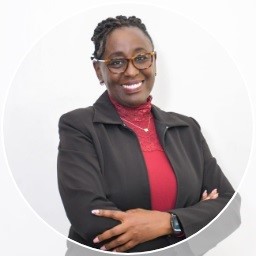
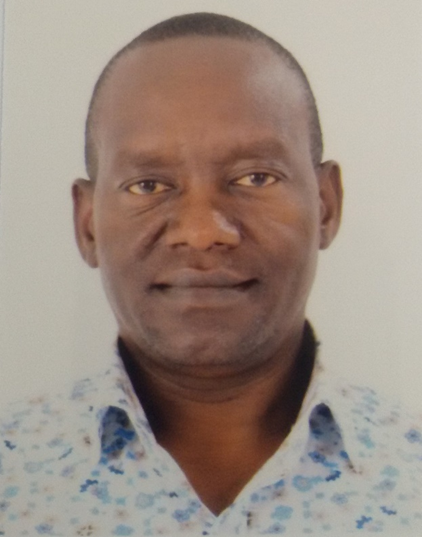
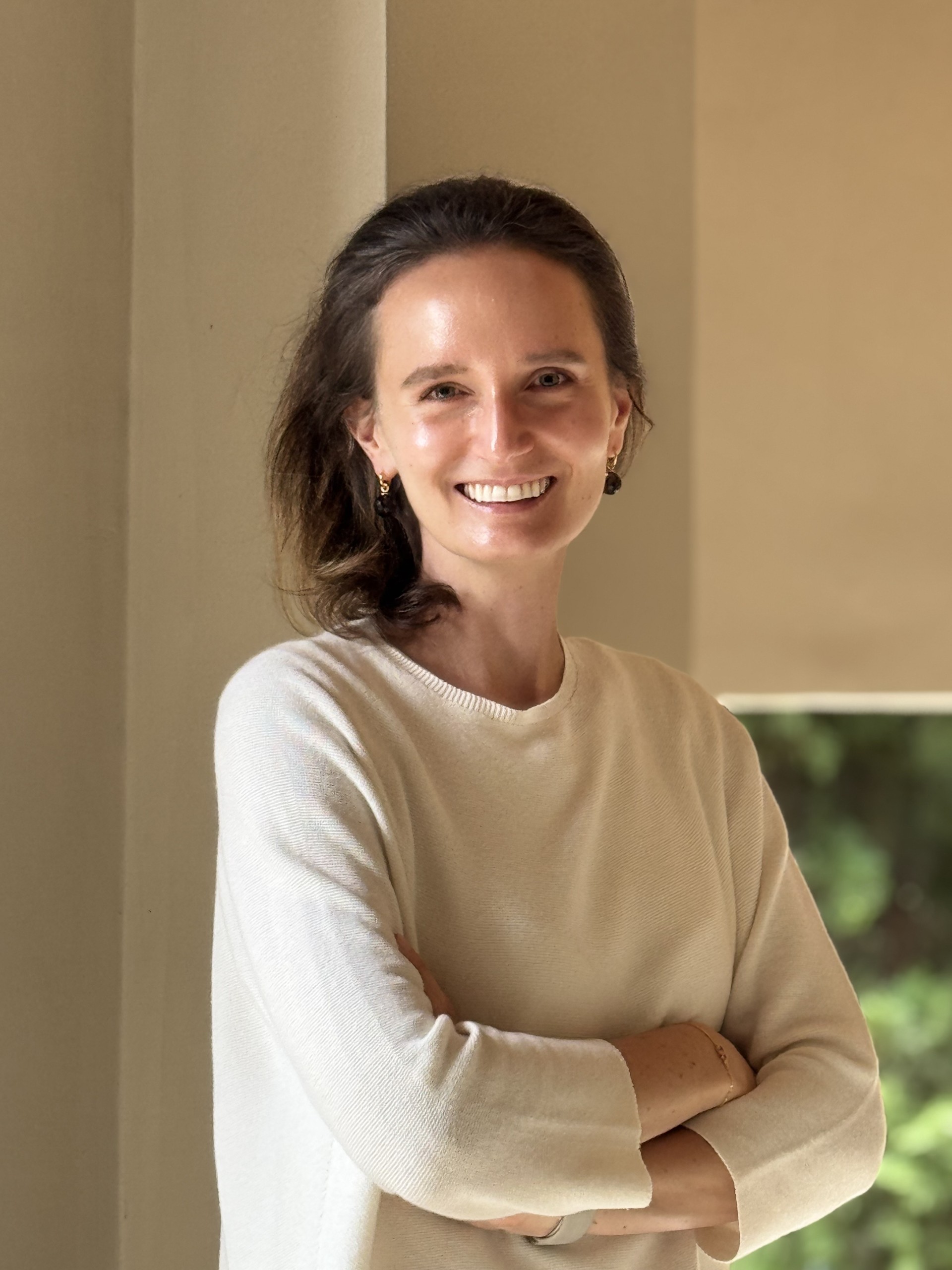
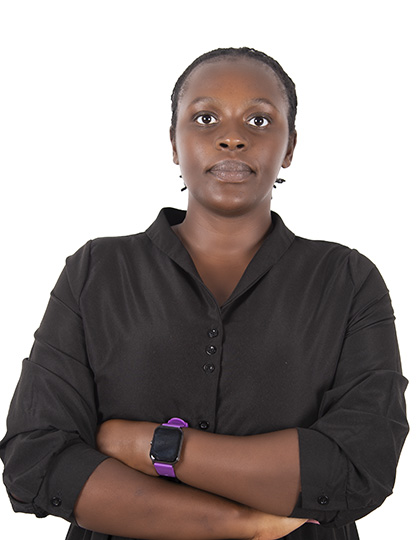
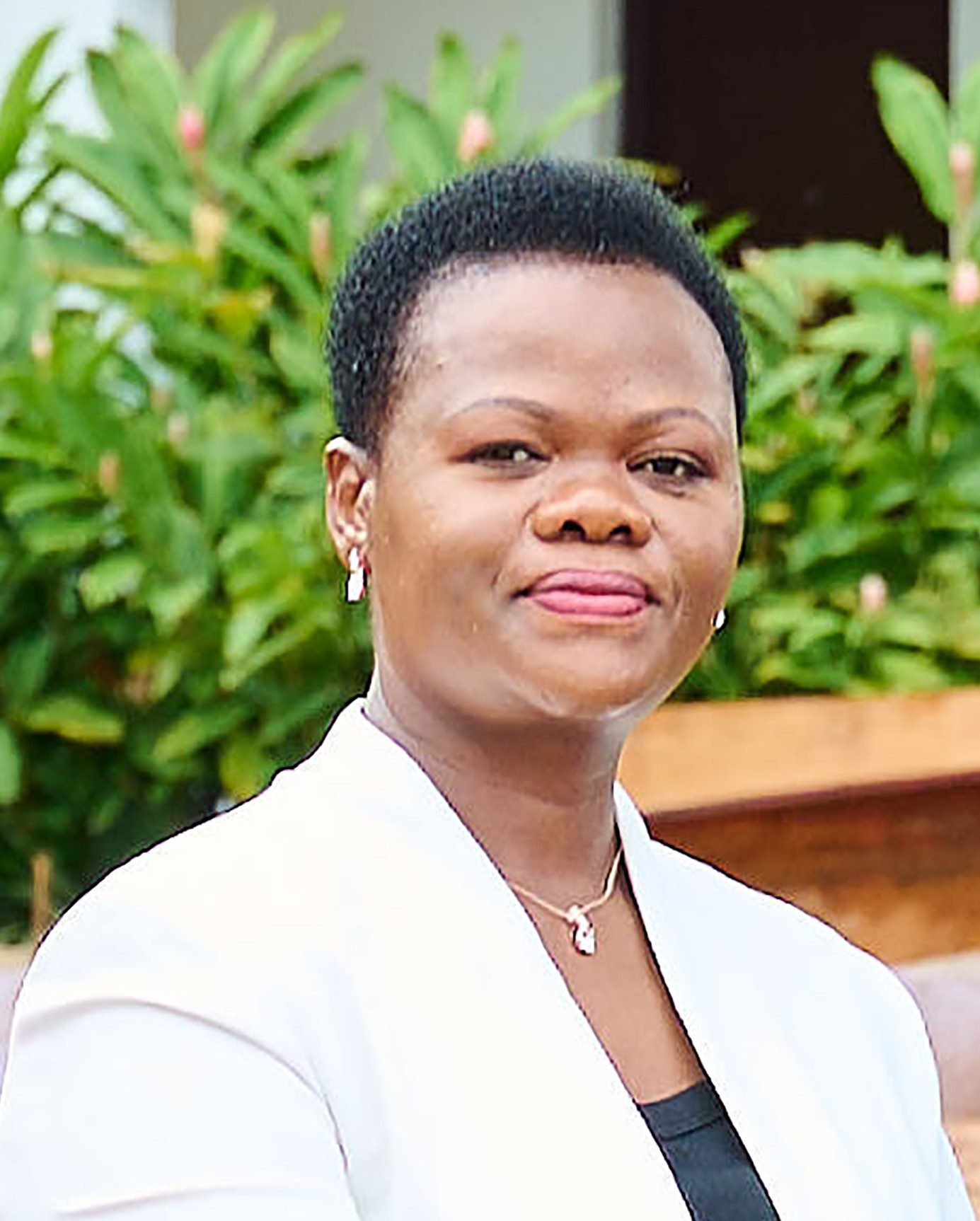
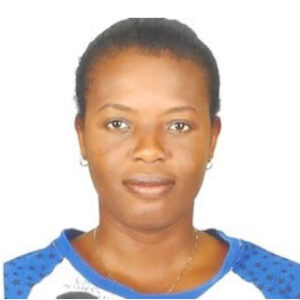
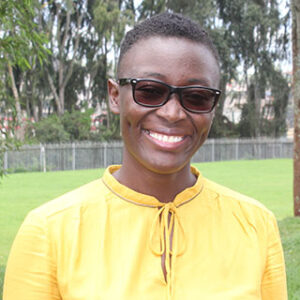
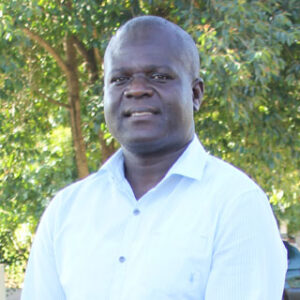
Other 2025 category winners include: Print: Juliana Agbo (Nigeria); Radio: Meut Dakta (Kenya); and Television: Agutu Rosa (Kenya).
The overall winner received US$3,500, a trophy, an iPhone 15 Pro Max and a certificate. Category winners received US$1,500, an iPhone 15 Pro Max and a certificate, while runners-up received $1,000, an iPhone 15 Pro Max, and a certificate. All finalists were sponsored by the OFAB Africa to attend the event in person.
*********
About AATF (www.aatf-africa.org)
About OFAB (https://www.aatf-africa.org/the-open-forum-on-agricultural-biotechnology-in-africa-ofab/)
For media inquiries contact: Mr Verenardo Meeme, OFAB Africa Programme Officer at AATF. Email address v.meeme@aatf-africa.org